

Conference Tracks & Topics

Electrical Systems and Energy
- Leveraging digital transformation and artificial intelligence in developing self-learning smart grids and efficient renewable energy management.
- Application of Digital Twin technology in the design, operation, and maintenance of power generation plants and electrical networks.
- The role of artificial intelligence and predictive analytics in reducing carbon emissions and achieving net-zero targets.
- Managing distributed energy resources and achieving intelligent balance between supply and demand using machine learning models.
- Enhancing the resilience and security of electrical networks through real-time emergency response and predictive maintenance.
- Asset lifecycle management and optimization of Total Cost of Ownership (TCO/LCC) for electrical assets.
- Data governance and quality in SCADA systems and smart energy management systems, aligned with ISO standards.
- Developing technical and leadership competencies in adopting smart technologies and managing change in the energy sector.
- Performance-based contracts (SLAs) and evaluation of contractors and suppliers in smart energy projects.
- Addressing challenges of integrating legacy systems with modern digital solutions and sharing lessons learned.
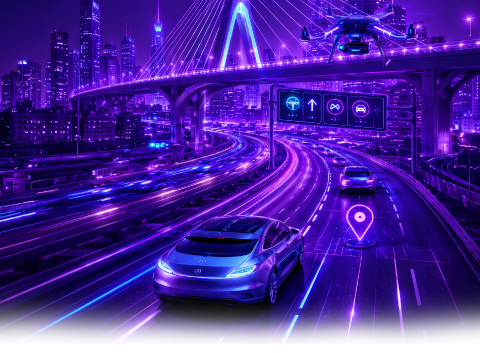
Roads and Transportation Systems
- Leveraging digital transformation and artificial intelligence in maintaining smart transportation infrastructure and sustainable traffic management.
- Application of Digital Twin and artificial intelligence in the maintenance of roads, bridges, autonomous transportation systems, and electric vehicles.
- Predictive maintenance practices for roads using advanced analytics and climate modeling.
- Enhancing the resilience of transportation infrastructure against climate change and weather fluctuations using artificial intelligence models.
- Asset lifecycle management and long-term investment optimization for roads and transportation assets (LCC).
- Data governance and quality in Intelligent Transportation Systems (ITS), aligned with BIM and ISO standards.
- Building institutional capacity and skills required to adopt smart mobility technologies and digital transformation.
- Performance-based contracts and contractor evaluation in smart road and transportation maintenance projects.
- Cybersecurity and protection of digital infrastructure for smart transportation systems.
- Successful case studies and lessons learned from adopting smart solutions in the roads and transportation sector.
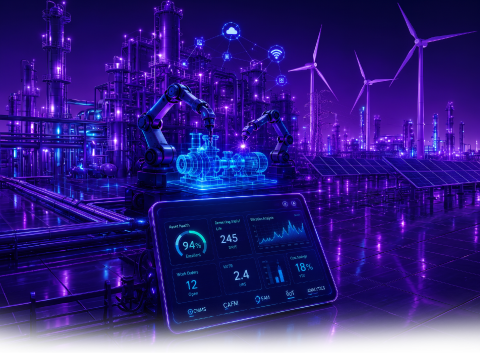
Maintenance Management Systems
- Leveraging digital transformation and artificial intelligence in predictive maintenance and real-time operational decision-making.
- Integration of digital maintenance management systems (CMMS/CAFM/EAM) with artificial intelligence and Digital Twin technologies.
- Industry 4.0 applications, Industrial Internet of Things (IIoT), and robotics in smart maintenance management.
- Key Performance Indicators (KPIs) powered by artificial intelligence to measure the impact of smart technologies on operational excellence.
- Data-driven maintenance decision-making using big data, Digital Twin, and asset lifecycle management.
- Contractor assignment through advanced digital platforms and performance-based smart contracts (SLAs).
- Implementation of ISO 55001 and data governance and quality in smart maintenance systems.
- Change management strategies and future skills development for technical and managerial teams.
- Addressing challenges of legacy systems, poor data quality, and financial constraints while sharing best practices.
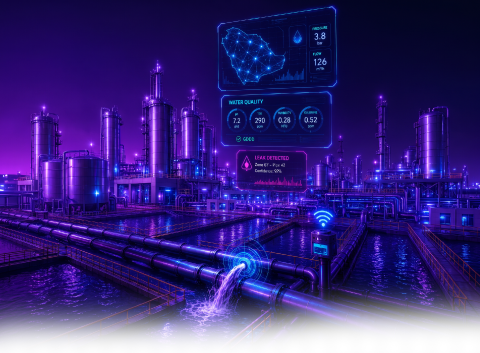
Water Systems
- Application of Digital Twin and artificial intelligence in managing and maintaining water networks, distribution systems, and desalination plants.
- Leveraging digital transformation and artificial intelligence in proactive water quality monitoring and leak detection.
- Improving maintenance of desalination plants and wastewater treatment using predictive analytics and Digital Twin.
- Planning water supply resilience and demand management using predictive modeling and smart technologies.
- Asset lifecycle management and optimization of Total Cost of Ownership (TCO) for water and wastewater assets.
- Data governance and quality in SCADA systems, aligned with sustainability and ESG standards.
- Developing human and leadership capabilities in smart water facility management and digital transformation.
- Performance-based contracts and contractor performance evaluation in smart water and wastewater projects.
- Environmental sustainability, water loss reduction, and resource efficiency improvement using smart technologies.
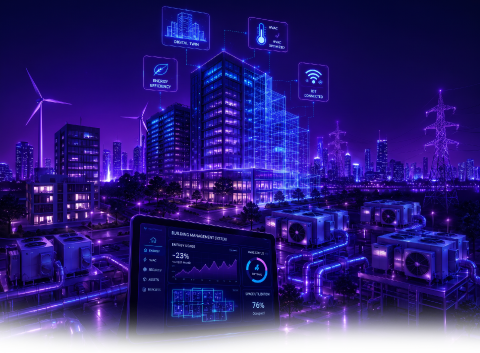
Buildings and Facilities Management
- Leveraging digital transformation and artificial intelligence in managing smart buildings and cities to achieve energy and operational efficiency.
- Application of the Internet of Things, Digital Twin, and artificial intelligence for real-time maintenance.
- Maintenance of energy-efficient HVAC systems using artificial intelligence.
- Digital asset management standards in green and sustainable buildings and smart sustainability certifications.
- Asset lifecycle management and optimization of Total Cost of Ownership (TCO/LCC) for buildings and facilities.
- Integration of Building Information Modeling (BIM) with smart facility management systems and data governance.
- Enhancing user and occupant experience through smart technologies and dynamic space management.
- Change management strategies and skills development for facility managers in the era of digital transformation and artificial intelligence.
- Performance-based contracts (SLAs) and evaluation of contractors and suppliers in smart facility management.
Communications Systems, Smart Maintenance, and Cybersecurity
- Leveraging digital transformation and artificial intelligence in smart maintenance of telecommunications networks and service continuity assurance.
- Smart cybersecurity to protect smart infrastructure and connected systems using artificial intelligence.
- The role of 5G, future 6G technologies, and Digital Twin in advancing smart digital communications.
- Advanced predictive maintenance strategies for telecommunications assets using machine learning and the Internet of Things.
- Blockchain technology and smart contracts in secure asset management and performance-based contracting.
- Asset lifecycle management and investment optimization in digital infrastructure.
- Data governance and cybersecurity aligned with smart asset management standards.
- Developing specialized skills in cybersecurity and smart maintenance for critical infrastructure.
- Addressing cybersecurity and technical challenges in smart telecommunications environments and sharing global best practices.
Education & Training
- Designing advanced training programs to qualify professionals in artificial intelligence, Digital Twin, and smart asset management.
- Developing interactive learning systems and virtual simulations through digital platforms and Augmented/Virtual Reality (AR/VR).
- Digital change management strategies and institutional capacity building for adopting smart technologies and artificial intelligence.
- Continuous education initiatives and specialized professional certifications in smart asset management and digital transformation.
- Developing leadership skills in digital transformation and smart asset and facility management.
- Building effective partnerships between academia and industry to develop training curricula aligned with market needs.
- Measuring the impact of training programs on operational performance improvement and smart technology adoption through KPIs.
- Showcasing successful models in human capital development as a key enabler for the transition to smart asset and facility management.
Asset Management Leadership, Governance & Strategy
- ISO 55001 Implementation
- Strategic Asset Management Planning (SAMP)
- Asset Investment Planning
- Governance and Decision-Making
- Risk-Based Asset Management
- ESG and Sustainability Integration
- Public Sector Asset Management
- Vision 2030 and National Infrastructure Programs
Electrical Systems and Energy
- Leveraging digital transformation and artificial intelligence in developing self-learning smart grids and efficient renewable energy management.
- Application of Digital Twin technology in the design, operation, and maintenance of power generation plants and electrical networks.
- The role of artificial intelligence and predictive analytics in reducing carbon emissions and achieving net-zero targets.
- Managing distributed energy resources and achieving intelligent balance between supply and demand using machine learning models.
- Enhancing the resilience and security of electrical networks through real-time emergency response and predictive maintenance.
- Asset lifecycle management and optimization of Total Cost of Ownership (TCO/LCC) for electrical assets.
- Data governance and quality in SCADA systems and smart energy management systems, aligned with ISO standards.
- Developing technical and leadership competencies in adopting smart technologies and managing change in the energy sector.
- Performance-based contracts (SLAs) and evaluation of contractors and suppliers in smart energy projects.
- Addressing challenges of integrating legacy systems with modern digital solutions and sharing lessons learned.
Roads and Transportation Systems
- Leveraging digital transformation and artificial intelligence in maintaining smart transportation infrastructure and sustainable traffic management.
- Application of Digital Twin and artificial intelligence in the maintenance of roads, bridges, autonomous transportation systems, and electric vehicles.
- Predictive maintenance practices for roads using advanced analytics and climate modeling.
- Enhancing the resilience of transportation infrastructure against climate change and weather fluctuations using artificial intelligence models.
- Asset lifecycle management and long-term investment optimization for roads and transportation assets (LCC).
- Data governance and quality in Intelligent Transportation Systems (ITS), aligned with BIM and ISO standards.
- Building institutional capacity and skills required to adopt smart mobility technologies and digital transformation.
- Performance-based contracts and contractor evaluation in smart road and transportation maintenance projects.
- Cybersecurity and protection of digital infrastructure for smart transportation systems.
- Successful case studies and lessons learned from adopting smart solutions in the roads and transportation sector.
Water Systems
- Application of Digital Twin and artificial intelligence in managing and maintaining water networks, distribution systems, and desalination plants.
- Leveraging digital transformation and artificial intelligence in proactive water quality monitoring and leak detection.
- Improving maintenance of desalination plants and wastewater treatment using predictive analytics and Digital Twin.
- Planning water supply resilience and demand management using predictive modeling and smart technologies.
- Asset lifecycle management and optimization of Total Cost of Ownership (TCO) for water and wastewater assets.
- Data governance and quality in SCADA systems, aligned with sustainability and ESG standards.
- Developing human and leadership capabilities in smart water facility management and digital transformation.
- Performance-based contracts and contractor performance evaluation in smart water and wastewater projects.
- Environmental sustainability, water loss reduction, and resource efficiency improvement using smart technologies.
Buildings and Facilities Management
- Leveraging digital transformation and artificial intelligence in managing smart buildings and cities to achieve energy and operational efficiency.
- Application of the Internet of Things, Digital Twin, and artificial intelligence for real-time maintenance.
- Maintenance of energy-efficient HVAC systems using artificial intelligence.
- Digital asset management standards in green and sustainable buildings and smart sustainability certifications.
- Asset lifecycle management and optimization of Total Cost of Ownership (TCO/LCC) for buildings and facilities.
- Integration of Building Information Modeling (BIM) with smart facility management systems and data governance.
- Enhancing user and occupant experience through smart technologies and dynamic space management.
- Change management strategies and skills development for facility managers in the era of digital transformation and artificial intelligence.
- Performance-based contracts (SLAs) and evaluation of contractors and suppliers in smart facility management.
Communications Systems, Smart Maintenance, and Cybersecurity
- Leveraging digital transformation and artificial intelligence in smart maintenance of telecommunications networks and service continuity assurance.
- Smart cybersecurity to protect smart infrastructure and connected systems using artificial intelligence.
- The role of 5G, future 6G technologies, and Digital Twin in advancing smart digital communications.
- Advanced predictive maintenance strategies for telecommunications assets using machine learning and the Internet of Things.
- Blockchain technology and smart contracts in secure asset management and performance-based contracting.
- Asset lifecycle management and investment optimization in digital infrastructure.
- Data governance and cybersecurity aligned with smart asset management standards.
- Developing specialized skills in cybersecurity and smart maintenance for critical infrastructure.
- Addressing cybersecurity and technical challenges in smart telecommunications environments and sharing global best practices.
Education and Training
- Designing advanced training programs to qualify professionals in artificial intelligence, Digital Twin, and smart asset management.
- Developing interactive learning systems and virtual simulations through digital platforms and Augmented/Virtual Reality (AR/VR).
- Digital change management strategies and institutional capacity building for adopting smart technologies and artificial intelligence.
- Continuous education initiatives and specialized professional certifications in smart asset management and digital transformation.
- Developing leadership skills in digital transformation and smart asset and facility management.
- Building effective partnerships between academia and industry to develop training curricula aligned with market needs.
- Measuring the impact of training programs on operational performance improvement and smart technology adoption through KPIs.
- Showcasing successful models in human capital development as a key enabler for the transition to smart asset and facility management.
Asset Management Leadership, Governance & Strategy
- ISO 55001 Implementation
- Strategic Asset Management Planning (SAMP)
- Asset Investment Planning
- Governance and Decision-Making
- Risk-Based Asset Management
- ESG and Sustainability Integration
- Public Sector Asset Management
- Vision 2030 and National Infrastructure Programs
Maintenance Management Systems
- Leveraging digital transformation and artificial intelligence in predictive maintenance and real-time operational decision-making.
- Integration of digital maintenance management systems (CMMS/CAFM/EAM) with artificial intelligence and Digital Twin technologies.
- Industry 4.0 applications, Industrial Internet of Things (IIoT), and robotics in smart maintenance management.
- Key Performance Indicators (KPIs) powered by artificial intelligence to measure the impact of smart technologies on operational excellence.
- Data-driven maintenance decision-making using big data, Digital Twin, and asset lifecycle management.
- Contractor assignment through advanced digital platforms and performance-based smart contracts (SLAs).
- Implementation of ISO 55001 and data governance and quality in smart maintenance systems.
- Change management strategies and future skills development for technical and managerial teams.
- Addressing challenges of legacy systems, poor data quality, and financial constraints while sharing best practices.